
Skip to content
Interface language
  1. NPR
    InternationalUpdate
    Topic illustration of a teacher and students discussing books and ideasIllustration

    NPR follows about a dozen special-education teachers: an ongoing school-year reporting project

    NPR explains an ongoing school-year reporting project in which about a dozen teachers share voice memos. Classroom visits involve privacy and permission. These are longitudinal accounts, not a representative survey.

    Why read: The project follows teachers’ working conditions while making its reporting method visible, inviting comparison with formal requirements and systematic data.
  1. Chalkbeat
    InternationalUpdate
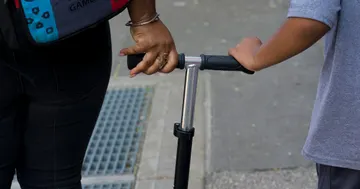
    Source image: New York schools still frequently call 911 during student crises: the gap between rules and supportSource

    New York schools still frequently call 911 during student crises: the gap between rules and support

    Citing New York City data, Chalkbeat reports that schools make more than 2,000 calls to 911 each year over students' emotional crises, and that calls involving children under 10 have exceeded 5,000 in total since 2016. The report uses a first-grader's experience to examine gaps in implementation and support, while also documenting the school's incident report and the education department's response.

    Why read: Citywide call trends, the rules and an individual case provide complementary layers of evidence for readers concerned with school crisis responses and special-education support. The different parties' accounts and the limits of second-hand reporting of the data must remain explicit.

  1. Chalkbeat
    InternationalUpdate
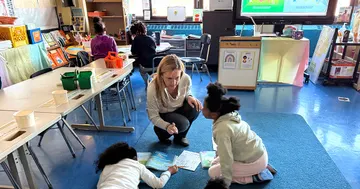
    Source image: New York's Path inclusive classrooms: supporting pupils with behavioural difficulties also requires staff and cost accountingSource

    New York's Path inclusive classrooms: supporting pupils with behavioural difficulties also requires staff and cost accounting

    Chalkbeat reports from New York's Path programme: 35 inclusive classrooms, staffed by two teachers with specialist support, are expected to cost about $14 million this year. The reporting illustrates classroom arrangements that offer an alternative to punishment. The programme remains small and comparative research is ongoing, so it cannot yet be said to have improved graduation rates.

    Why read: Considering staffing, costs and evidence of effects together helps readers assess the conditions needed to adapt the approach locally.

You have reached the end